
What We Cover
- Who is legally allowed to install a gas cooker
- Clearances to combustible surfaces
- Ventilation and air supply requirements
- Stability chains and anti-tip requirements
- Flexible hose and bayonet connection rules
- Commissioning records and certification
Who May Install a Gas Cooker
Under the Gas Safety (Installation and Use) Regulations 1998 any work on a gas appliance must be carried out by a Gas Safe registered business, and the engineer must hold the correct appliance category — domestic cooker qualifications do not cover commercial catering ranges. Installing a cooker yourself in a business or rented property is an offence, and any resulting damage is usually uninsured.
Clearances, Ventilation and Air Supply
Cookers need specified clearances to combustible surfaces above and beside the hob and grill, set by the manufacturer's instructions. Commercial kitchens additionally need ventilation sized to the total gross heat input of the appliances, with mechanical extract and, where required, a gas interlock that shuts off the supply if extraction fails. Openable windows do not count as ventilation for commercial catering appliances.
Stability, Connection and Testing
Freestanding cookers connected by a flexible hose must be fitted with a stability chain or bracket so the hose cannot be strained. Bayonet fittings must be the correct orientation and rating. After installation the engineer carries out a tightness test, checks the operating pressure, analyses combustion and confirms the flue and ventilation before handing over.
Records You Must Keep
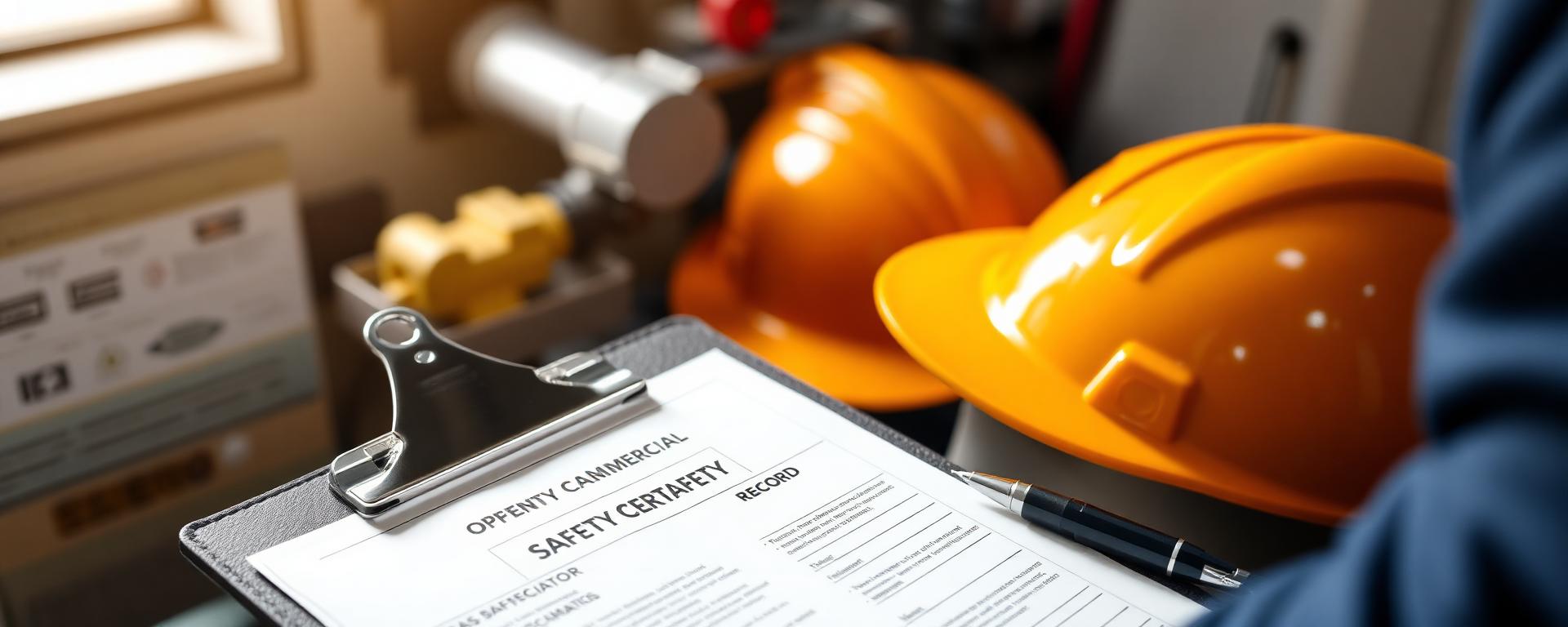
You should receive commissioning paperwork for a new commercial cooker and, thereafter, an annual gas safety record. In a commercial kitchen that record is a CP42, which covers the cooker along with the interlock and ventilation system.
Book Gas Cooker Installation Regulations
Get a fixed written quote or speak to an engineer today. We cover London and the South East seven days a week.
Frequently Asked Questions
Is it legal to install a gas cooker yourself?
Not in a commercial or rented property. The work must be done by a Gas Safe registered engineer holding the correct appliance qualification.
Does a commercial gas cooker need a stability chain?
Any freestanding cooker connected with a flexible hose needs a restraint so the hose cannot be strained or pulled off when the appliance is moved for cleaning.
What certificate proves the cooker was installed correctly?
Commissioning paperwork at installation, then an annual CP42 gas safety record covering the appliance, ventilation and interlock.